


Bioenergy sector invests R$ 150 million in firefighting infrastructure during the dry season
As the dry season intensifies in Goiás and the risk of wildfires increases, the Goiás State Ethanol Manufacturers’ Union (Sifaeg) is stepping up its awareness and fire prevention campaign in rural areas. The mills are in the midst of the harvest season, producing ethanol, sugar, and bioelectricity, and they strengthen their fire prevention measures every year during the most critical months of the dry season.
In addition to coordinating with public agencies and partner organizations, Sifaeg also invests in direct communication with the public through radio campaigns, billboards, and other information channels.
Environmental crimes are just one of the consequences of using fire in vegetated areas. Wildfires also pose a direct threat to the electricity supply, as they can cause short circuits, power outages, and damage to infrastructure. The damage affects not only agro-industrial activities but also essential services for the population, such as hospitals, schools, businesses, and industries.
Environmental, economic, and health damages
Fires, whether accidental or arson, cause significant damage to the environment and to people’s health. The smoke releases gases and particles that aggravate respiratory diseases and compromise air quality.
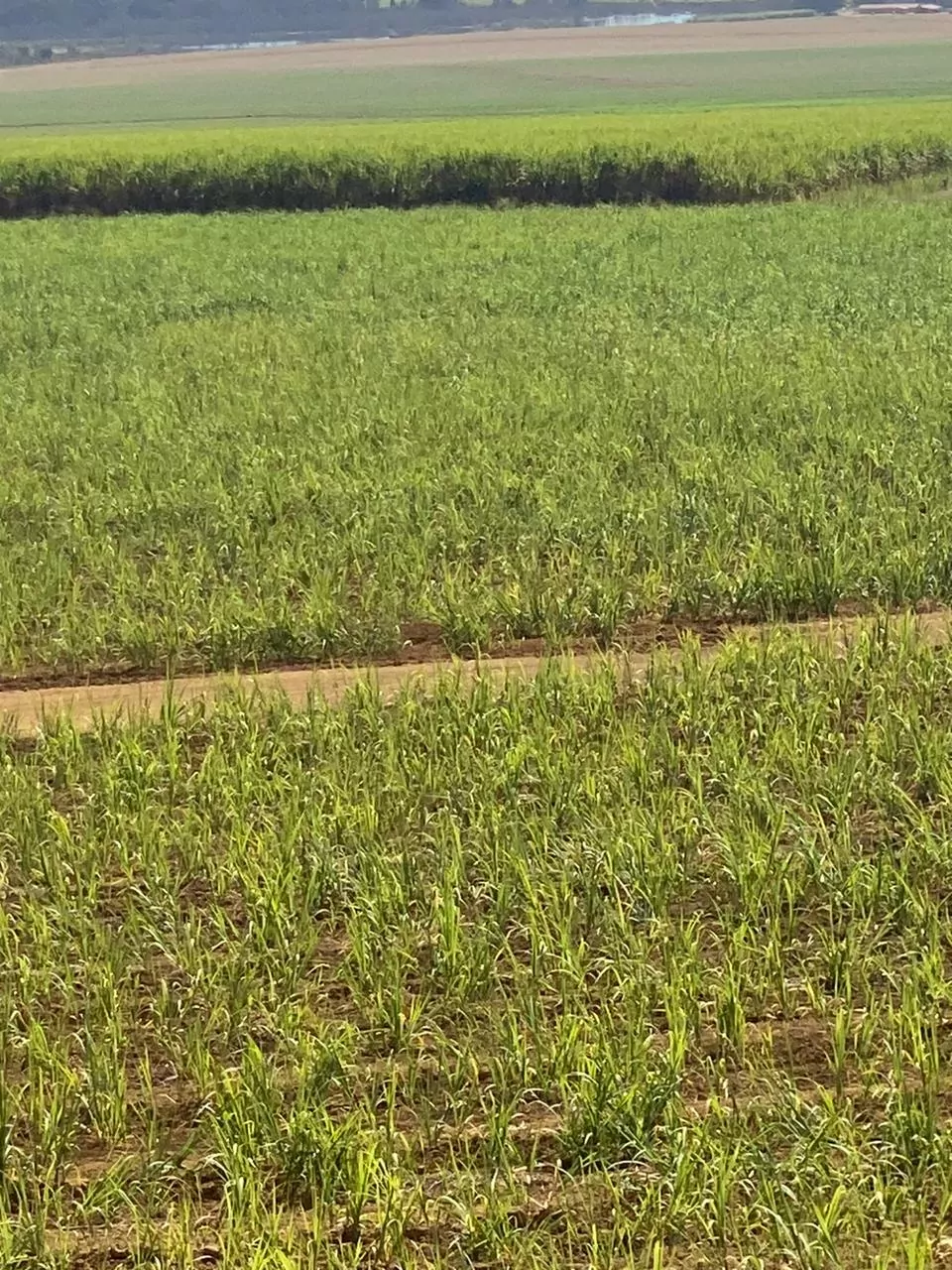
In rural areas, fires can destroy productive land, reduce agricultural productivity, cause financial losses, and directly affect the Cerrado’s flora and fauna.
Recommended preventive measures include refraining from using fire to clear land, maintaining firebreaks, properly disposing of waste, properly disposing of flammable materials, and refraining from releasing balloons or lighting fires near areas with vegetation.
Investments
In recent years, the 38 bioenergy plants in operation in Goiás have invested approximately R$ 150 million in measures to prevent and fight fires.
Companies in the sector maintain ongoing awareness programs for employees, suppliers, farmers, and neighboring communities. At the same time, they invest in equipment, technology, and training to reduce risks and ensure rapid responses to incidents.
Expansion of Firefighting Capacity
Aircraft have become important allies of bioenergy plants in preventing and fighting fires. Used for aerial monitoring, these aircraft make it possible to quickly identify smoke plumes and fires across large areas of farmland, often before the flames spread extensively.
In addition to early detection, the aircraft help coordinate firefighting operations by providing real-time information on the location and spread of the fire.
The use of this technology complements the work of ground patrols and reinforces the sector’s efforts to protect crops, environmental conservation areas, and neighboring communities.
It is worth noting that most of the equipment at these plants is equipped with artificial intelligence capabilities that can automatically detect signs of fire and pinpoint the exact location of the fire so that firefighting teams can be dispatched immediately.
Other equipment and activities
Drones equipped with thermal sensors and high-resolution cameras to identify hot spots even before smoke is visible;
Satellite monitoring systems that send automatic alerts with the coordinates of fire hotspots;
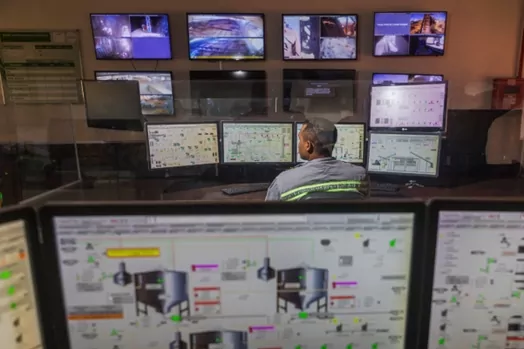
Observation towers equipped with 360-degree cameras, optical zoom, and infrared sensors, with a visual range of up to 10 kilometers.
Brigades integrated with geolocation systems to optimize deployment and firefighting strategies;
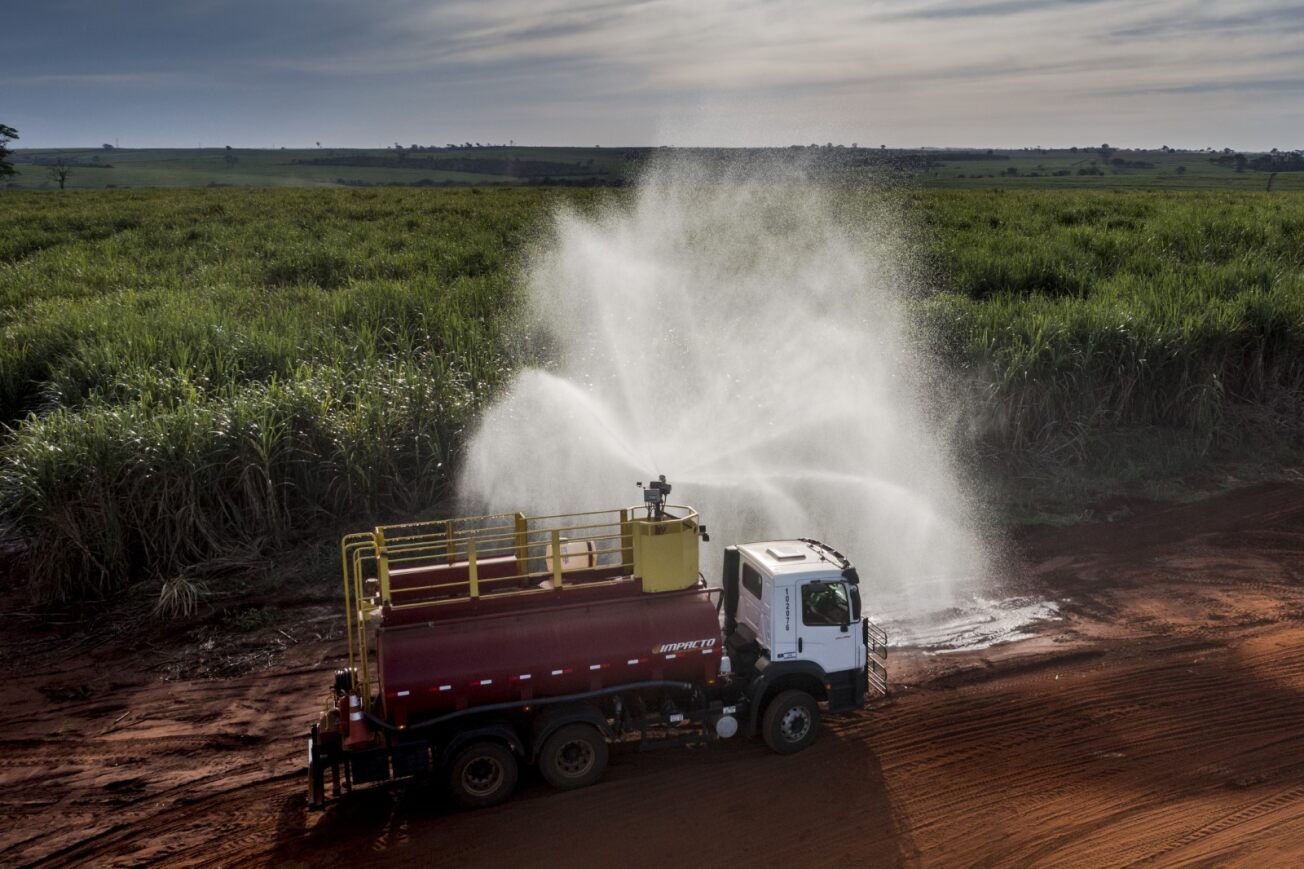
Water tankers, modified tractors, ATVs, and specialized vehicles for operating on different types of terrain;
Soil sensors that monitor changes in temperature and humidity;
Apps and digital communication channels with farmers and neighboring communities for real-time reports and alerts.
Firefighters
André Rocha, CEO of Sifaeg/Sifaçúcar, points out that bioenergy agribusinesses maintain an extensive infrastructure dedicated to preventing and fighting fires.
“Currently, member companies have about 4,500 employees serving on fire brigades, approximately 700 water tankers, and more than 200 support vehicles. “The work is carried out in partnership with the Military Fire Department, municipal governments, and state environmental agencies,” he says.
He also points out that most fires start outside of cultivated areas. “It’s important to remember that fires almost always start outside of sugarcane fields, in areas near or along the sides of highways,” he notes.
Prevention is everyone’s responsibility
Sifaeg emphasizes that prevention remains the most effective measure for avoiding fires and minimizing their impact. Firefighting requires investment, technology, and specialized teams, but it also depends on the collective commitment of the public.
“Awareness, compliance with environmental regulations, and the adoption of safe practices in rural areas are essential to protecting lives, preserving the environment, and ensuring the continuity of productive activities in the countryside,” concludes André Rocha.