This site uses cookies for analytics and to improve your experience. By clicking Accept, you consent to our use of cookies. Learn more in our privacy policy.
Bioelectricity: Clean and Renewable energy that helps Brazil's development.
Bioelectricity is an example of how the sugar-energy sector is innovating by turning waste into energy.
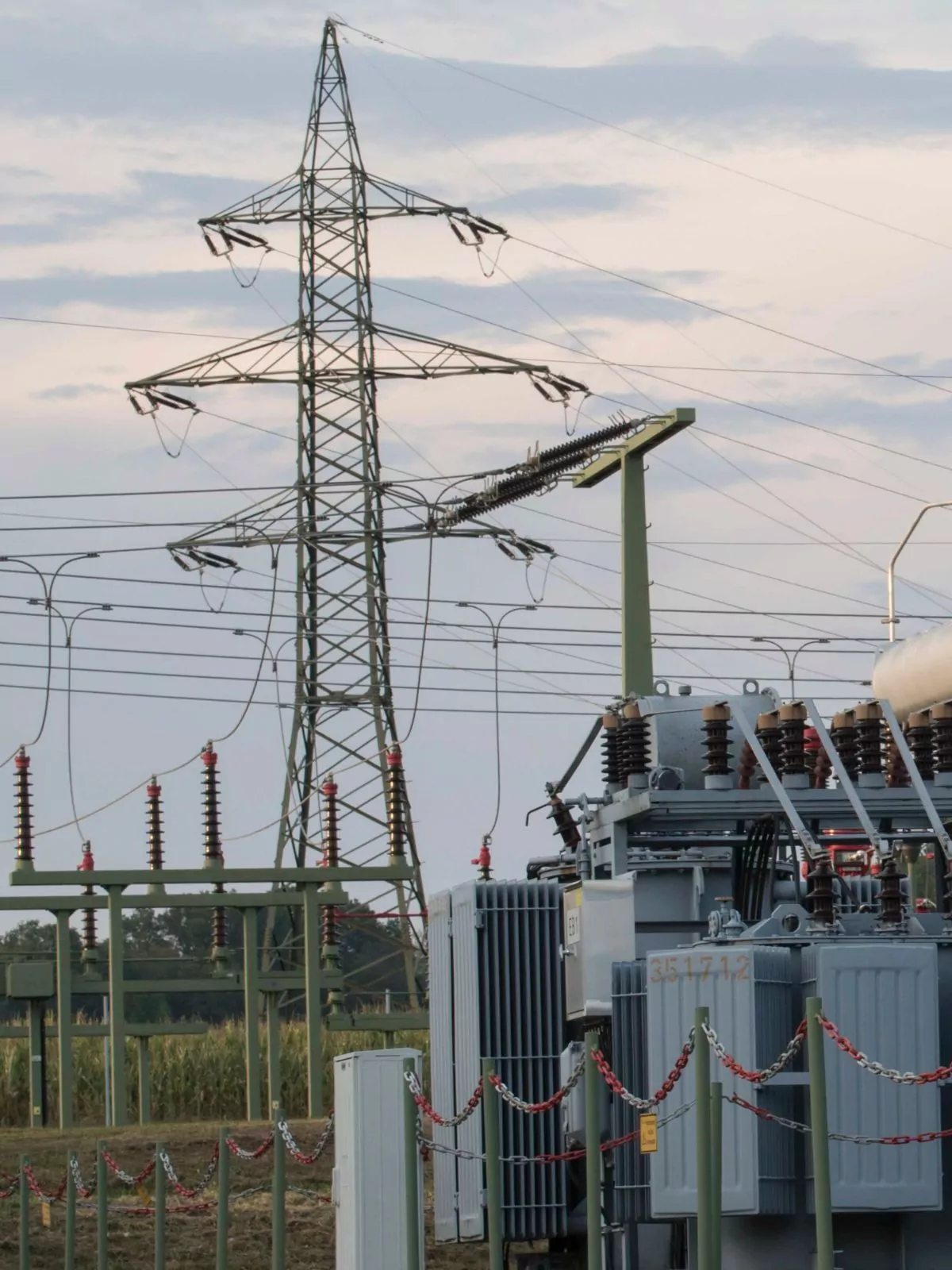
Each ton of sugar cane generates bagasse, straw, and sugar cane tops, which are used to produce clean, renewable electricity. This energy not only supplies the mills during the harvest, but can also be injected into the Brazilian electricity system, benefiting millions of consumers.
From a sustainable source, bioelectricity is in line with global demands for energy solutions that reduce greenhouse gas emissions and promote sustainability.
Clean energy that contributes to a sustainable future
The importance of bioelectricity for Brazil and the world
Bioelectricity is a renewable energy solution that makes use of sugarcane biomass, contributing directly to reducing emissions of polluting gases and preserving the environment.
Brazil, the leading producer of sugar cane, has enormous potential for growth in the generation of bioelectricity, with plants increasingly connected to the national electricity system. This form of clean energy is vital for diversifying the country’s energy matrix, helping to avoid energy crises and ensuring a more sustainable future.
Sustainability
Bioelectricity is a sustainable alternative, reducing dependence on fossil energy sources.
Energy efficiency
Production uses waste that would otherwise be discarded, optimizing the sugarcane production cycle.
Environmental impact
It contributes significantly to reducing greenhouse gas emissions.
Continuous growth
Brazil has the potential to expand bioelectricity generation with more plants connected to the electricity grid.
Energy revolution with bioelectricity.
Bioelectricity is a clean energy source that is transforming the Brazilian energy sector.
SIFAEG is at the forefront of this transformation, representing clean energy producers for a more sustainable future.